
Turning the tide on child abuse
takes a village.
Welcome to our village.
Childhood should be a safe place to grow up.
The Warren County Children's Advocacy Center offers a comprehensive, centrally located, multidisciplinary team response to allegations of child abuse throughout Warren County.
Our dedicated, child-friendly setting provides victims and caregivers a safe space to begin to find help, hope, and healing.



Who We Are
The Warren County CAC (WCCAC) is a child-focused location where children can report abuse in a safe and comforting environment. The WCCAC provides protection and justice through a collaborative approach including law enforcement, Forest-Warren Human Services, the prosecutor’s office, mental health, healthcare, and trained advocates. Watch the video below to learn more.
By the Numbers
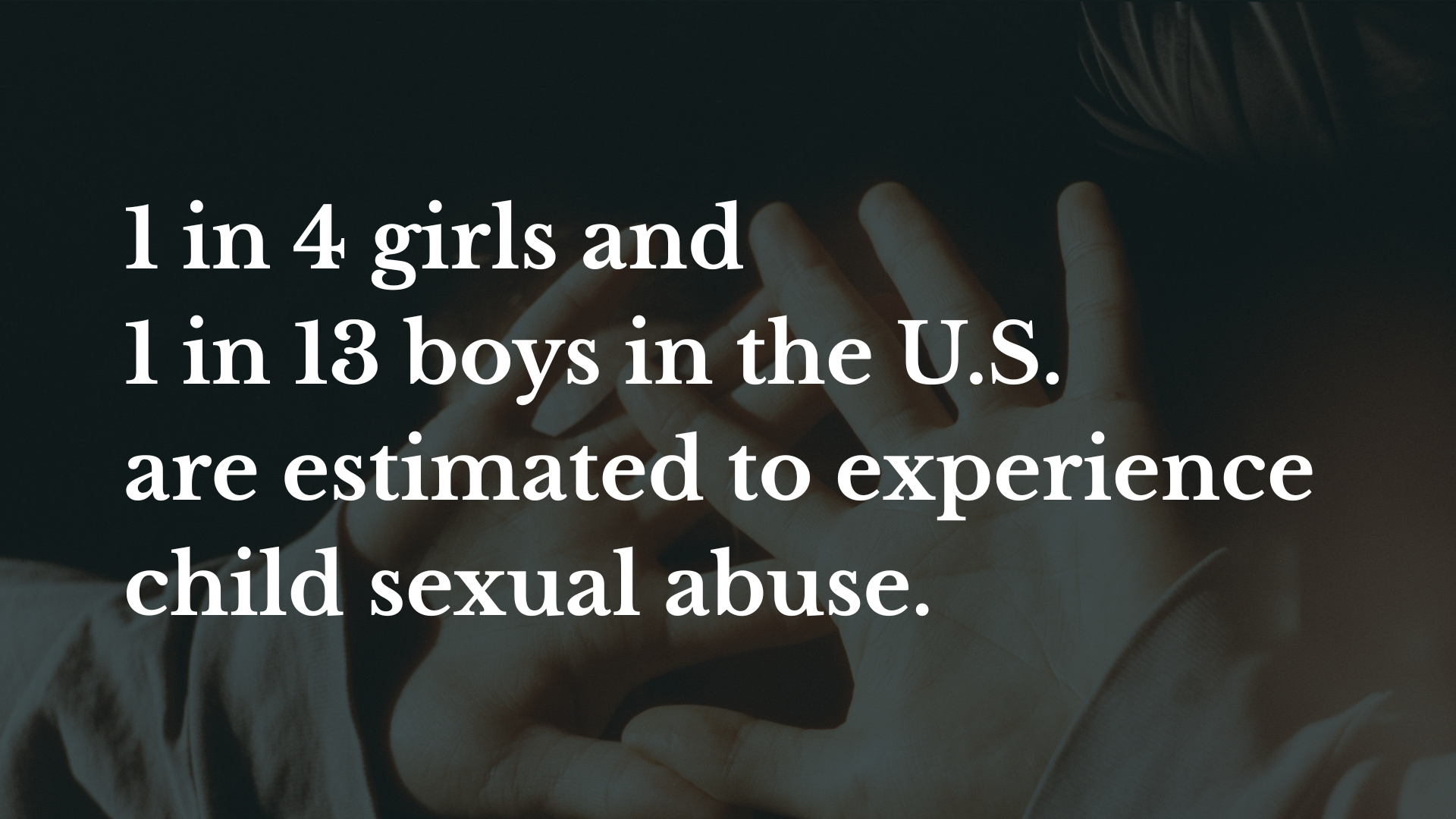
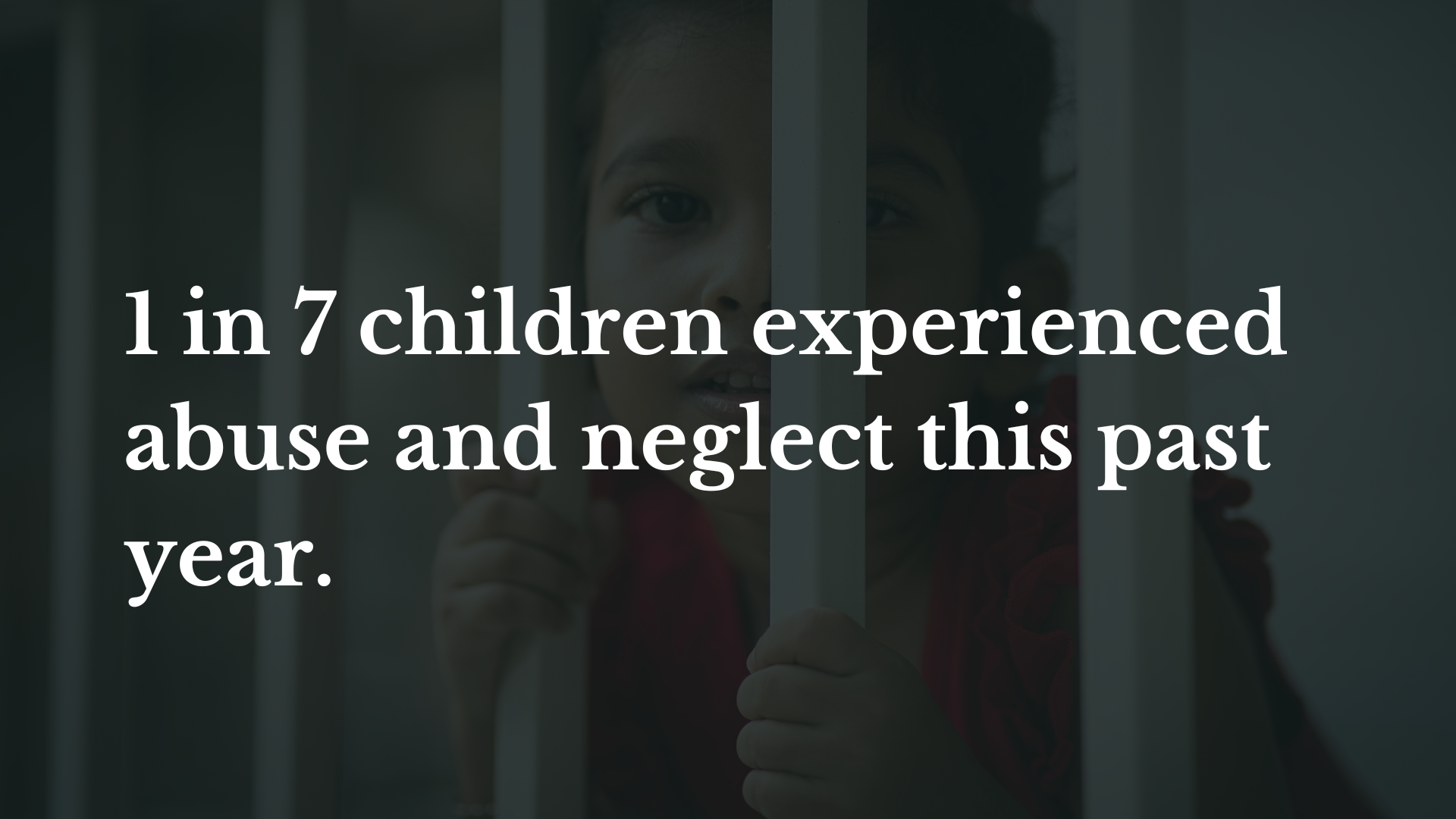
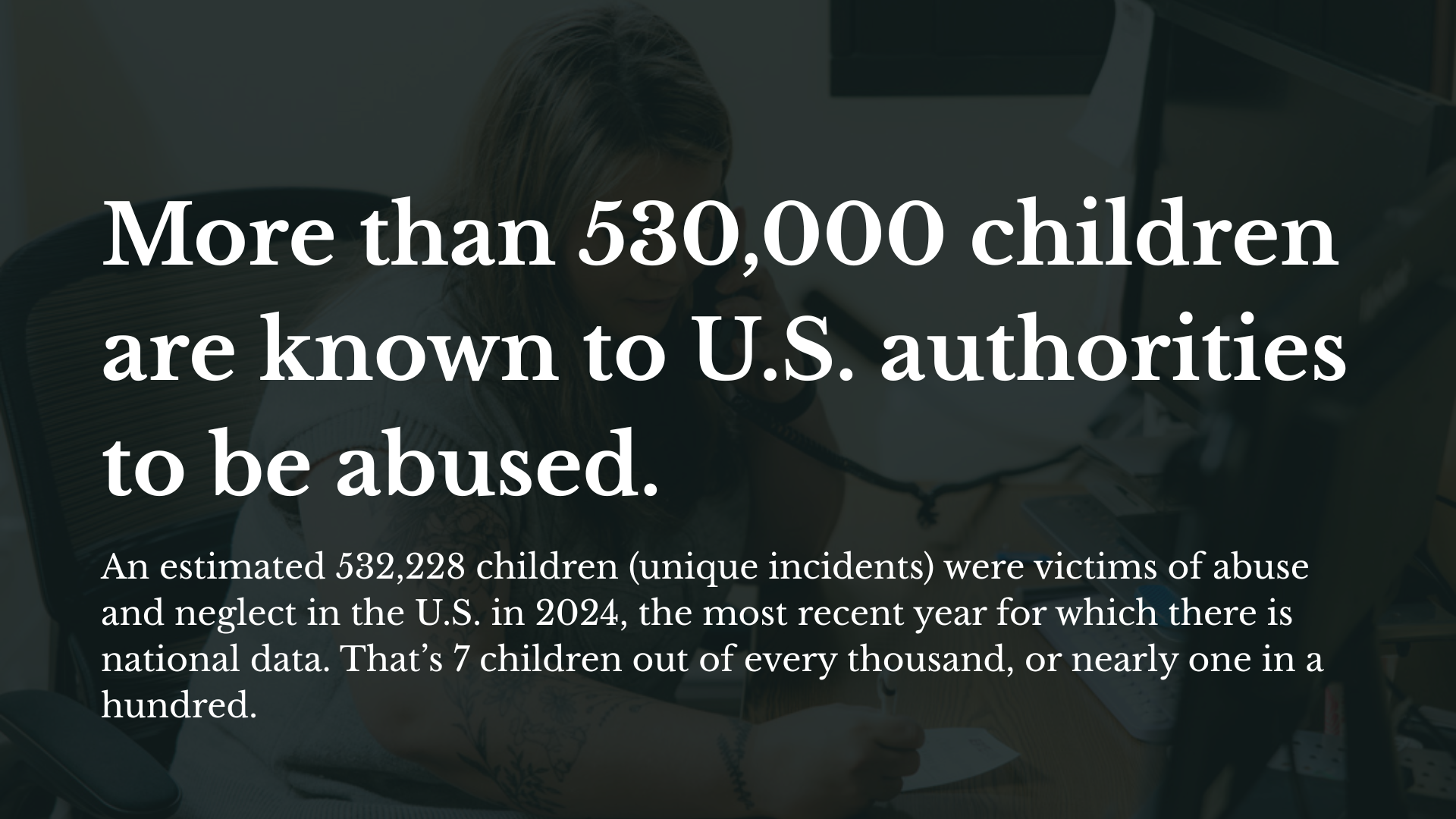
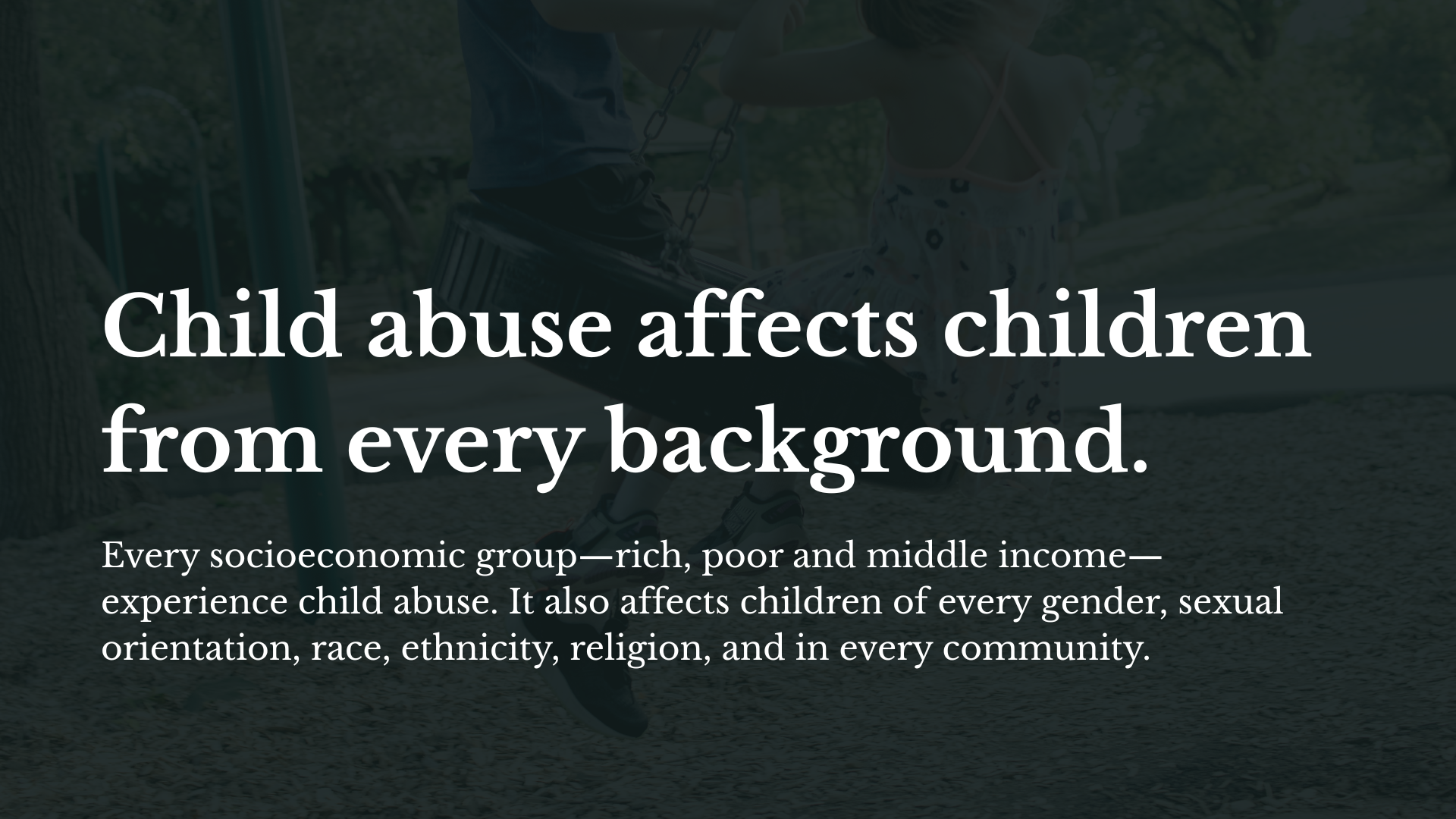
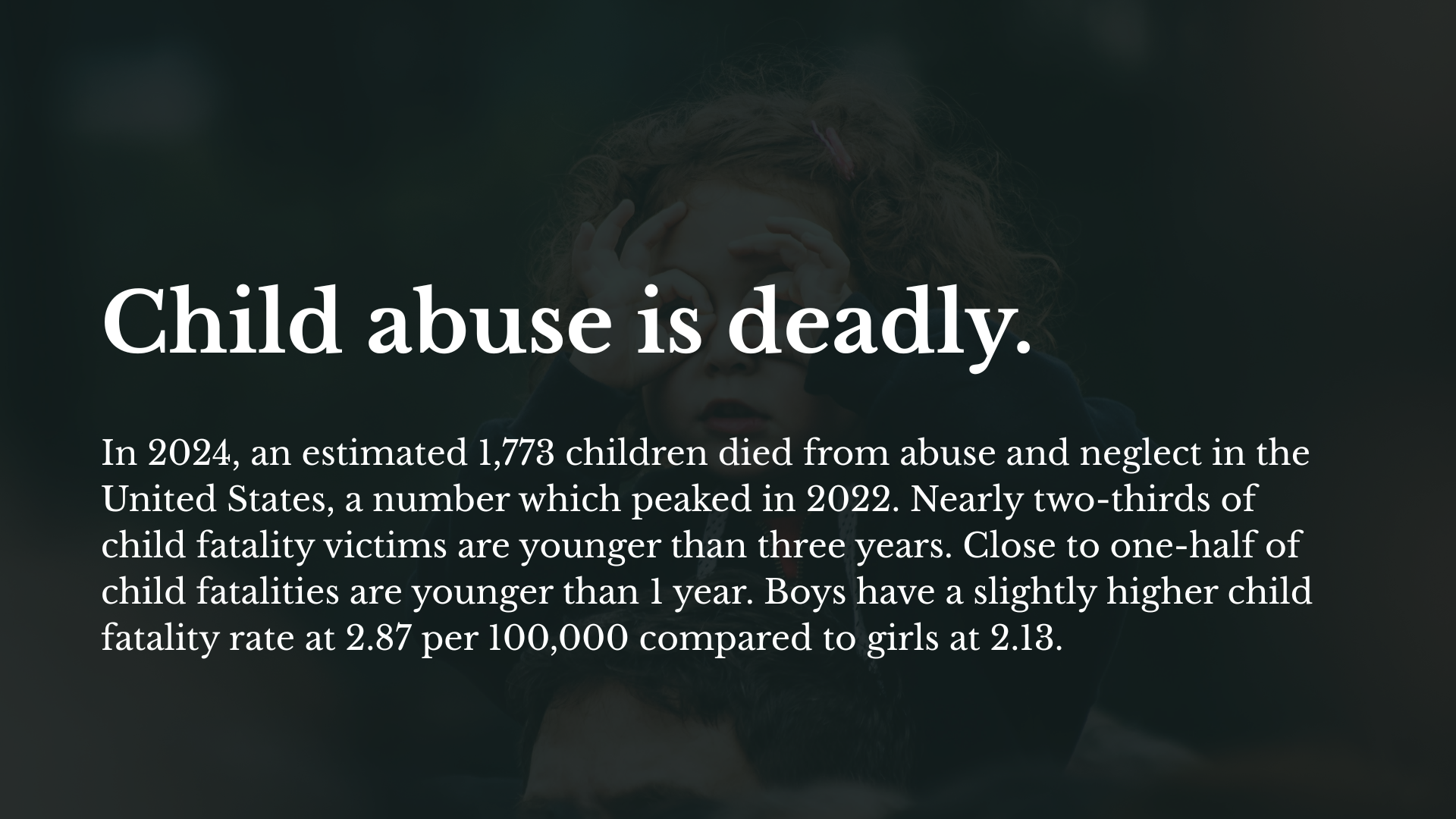
Child abuse is a horrific experience with potentially lasting effects. It’s also, unfortunately, a common experience in America and around the world.
Statistics sourced here.
What We Offer

Trained Advocates
We provide trained advocates who know exactly how to support children who have been abused.

Help for Caregivers
We ensure that parents or caregivers of the children are guided towards programs that will facilitate the healing process for the child and family.

A Safe Space
Our center is a safe, kid-friendly space. We work hard to provide a welcoming place for children to be heard.

Reducing Trauma
We bring the system to the child, by providing a single location for interviewing children rather than having a child taken from agency to agency throughout the investigation and potentially enduring multiple interviews.
Unified Approach
We facilitate a collaborative approach among investigative professionals that results in effective, efficient and child-centered casework.

Gentle Process
All interviews are gentle and developmentally appropriate for each child’s age.
Frequently Asked Questions

-
The Warren County CAC (WCCAC) is a child-focused location where children can report abuse in a safe and comforting environment. The WCCAC provides protection and justice through a collaborative approach including law enforcement, Forest-Warren Human Services, the prosecutor’s office, mental health, healthcare, and trained advocates. The interview conducted is neutral and fact-finding in nature. These interviews are always developmentally appropriate.
-
A forensic interview is a neutral, fact-finding interaction conducted by a specially trained interviewer in response to allegations of alleged maltreatment. The interview is viewed by the investigative team.
-
● We provide a safe and welcoming place for children to be heard.
● We bring the system to the child, by providing a single location for interviewing children rather than having a child taken from agency to agency throughout the investigation and potentially enduring multiple interviews.
● We utilize a certified forensic interviewer who can meet the informational needs of all investigative professionals involved while remaining child-focused.
● We facilitate a collaborative approach among investigative professionals that results in effective, efficient and child-centered casework.
● We ensure that parents or caregivers of the children are guided towards programs that will facilitate the healing process for the child and family. -
No. If your child brings up the subject and wants to talk about it, listen without questioning. Be sure to reassure your child that they will be alright, and you are taking care of them. If your child does tell you additional information, please contact your law enforcement detective or CYS caseworker.
-
It is helpful to inform your child that someone wishes to talk with him or her about what was reported. However, it is equally important not to rehearse with your child or tell your child what to say. You may reassure your child and give him/her permission to talk freely. You should let your child know that they will be in a safe place, and the adults that they are visiting will let them know exactly what is happening each step of the way.
Avoid telling your child you will go somewhere or receive something after the interview. Avoid describing the WCCAC as a doctor’s office, as this often confuses children. Also, medical exams are not conducted at the WCCAC.
-
No. Due to the nature of these investigations, it is necessary to provide a neutral setting for the child. It is also to ensure our team is fully focused on the child’s interview, and not distracted by a parent or guardian in the observation room.
Copies of the interview are only released to appropriate members of the team and will not be released to any caregivers or guardians. The WCCAC uses recording equipment to document the interview. Copies of the interview are only released to law enforcement or CYS.
-
All visits are different depending on the age of the child. Younger children participating in a forensic interview will go more quickly than older children and teenagers. Depending on the attention span, talkative nature of the child, severity, and history of alleged abuse etc., interview times vary greatly.
Please allow time for completion of intake paperwork, the forensic interview, and a post-interview meeting. The WCCAC will provide appropriate school/work excuses upon request.
-
The victim advocate will be available to provide support while the interview is taking place and following the interview. It is understandable that waiting for your child may be difficult. If any additional resources or services are needed, the victim advocate can help facilitate this.
-
At the end of the interview, the Caseworker from CYS and/or law enforcement may inform you about what will happen next. The CYS Caseworker and law enforcement are the only agencies able to answer questions regarding the child’s interview. The information they provide may be limited due to the fact that it is an ongoing investigation. They will tell you everything necessary to keep your child safe. Unless told otherwise, you and your child are free to leave after talking with the investigators.
-
● Listen. If your child wants to talk about the interview, listen. Do not ask questions. Do not be concerned if your child does not want to talk about the visit. Many children are “tired” of talking and
just want to “get on with it.”
● Thank your child for talking and acknowledge his or her courage. Assure your child of your love and
support, no matter what was disclosed or determined during the visit.
● Avoid leading your child to think that the interview will end the process. Some cases continue into the
legal system and require re-interviews or court testimony.
Listen today to the One in Ten Podcast, produced by the National Children’s Alliance: a podcast engaging the brightest minds working to solve one of the world's toughest challenges—child abuse.
Want to learn more about child abuse prevention?